
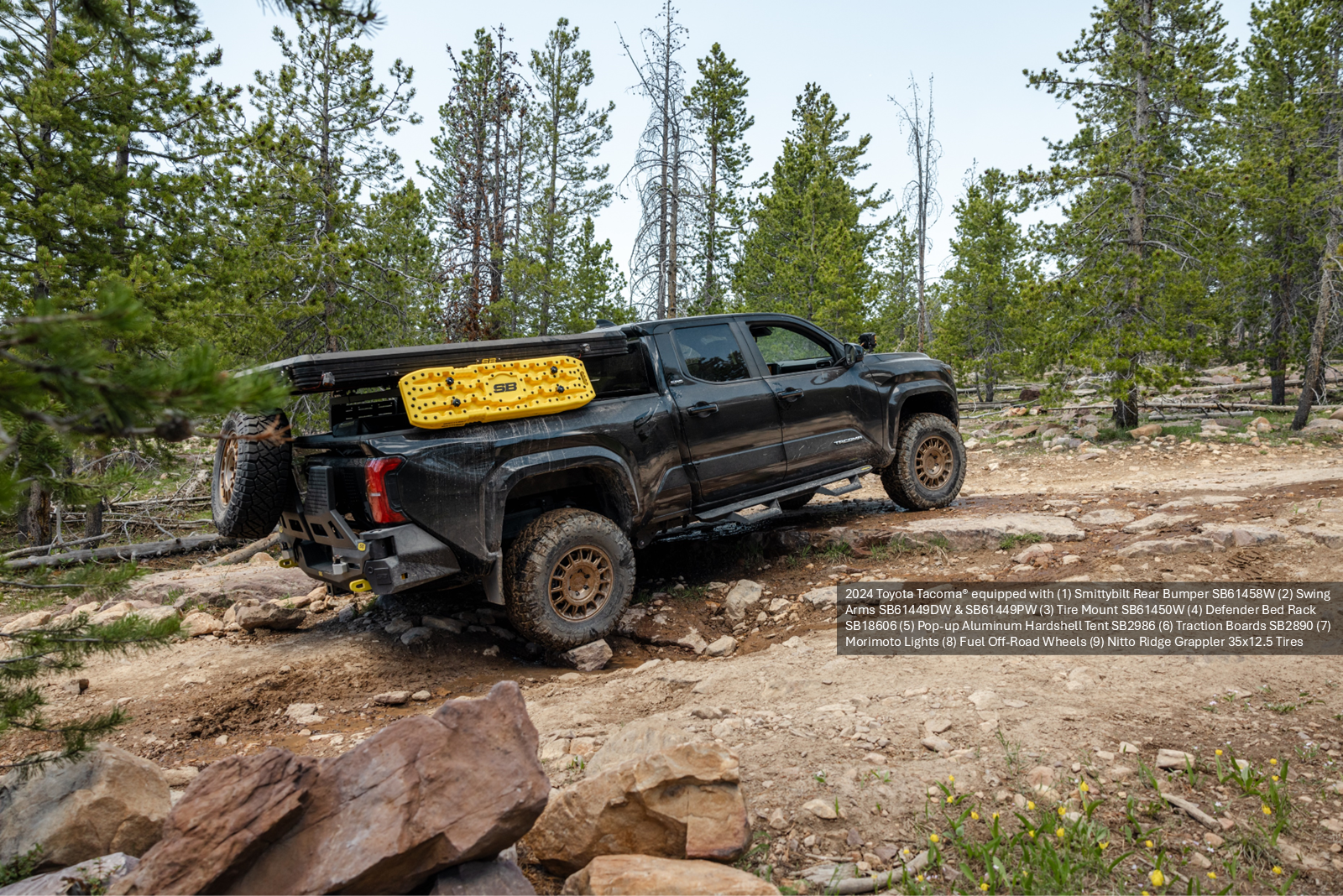
Smittybilt Recovery Guide
Recovery 101: What do you need to get unstuck?
So, you’re ready to hit the dirt, but not quite sure what gear you’ll need for your next off-road adventure? Let’s dig in and break down the must-have accessories that’ll help you get unstuck and keep pushing forward when the trail gets tough.
Flotation & Traction
When you’re talking about terra firma, “flotation” might sound a little out of place, but it’s actually a key concept when the ground starts to go from firm to soft. Think sand, mud, or snow. If your tires are fully inflated, they’ll cut through those soft surfaces and dig down until your chassis bottoms out. Not ideal.
So how do you avoid getting stuck?
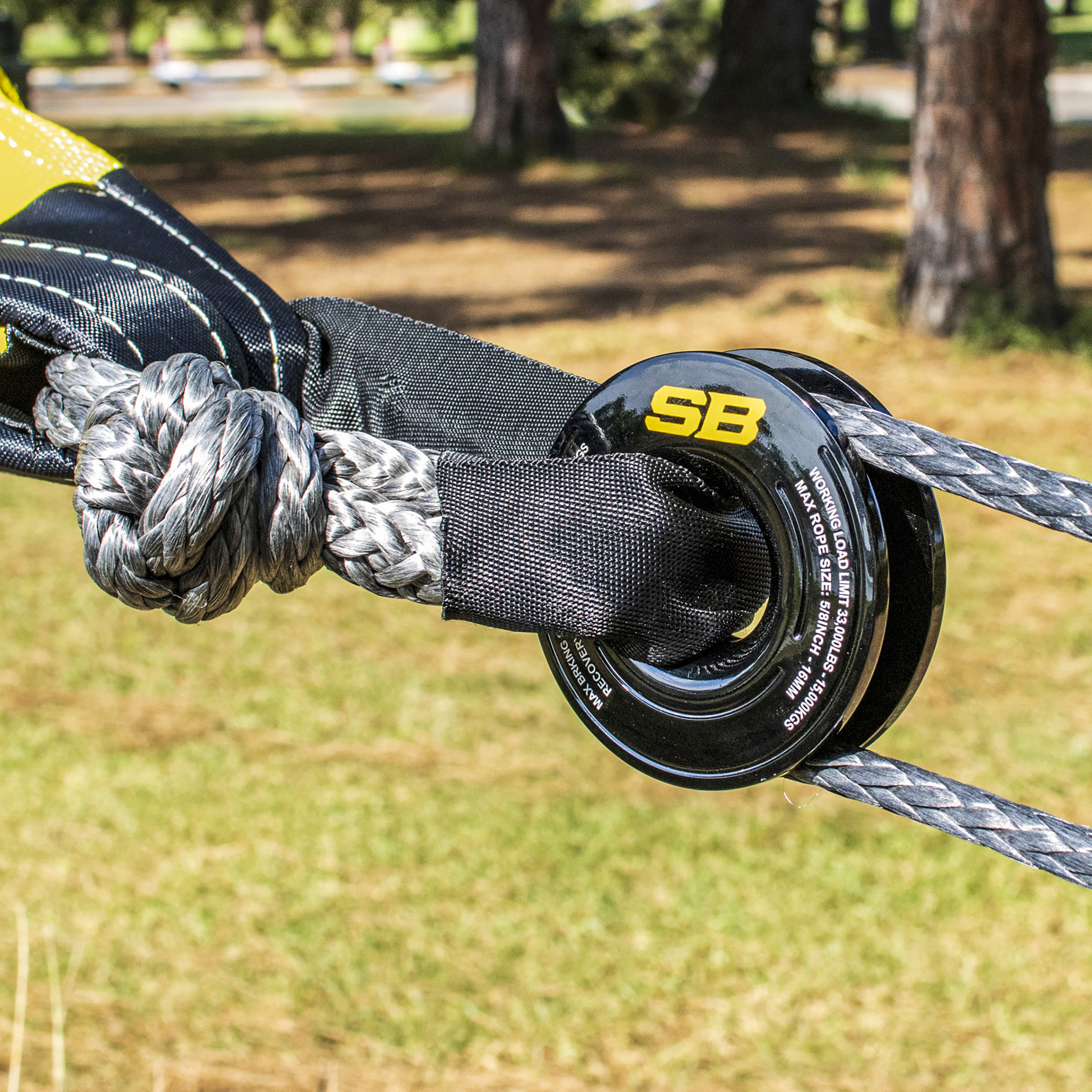
Meet R.A.D. – the Rapid Air Deflator. This tool lets you easily drop your tire pressure so your tires can flex and float over soft terrain, rather than sinking in. Want something even simpler? Check out Smittybilt’s Adjustable Valve Stem Tire Deflators. These handy tools let you preset your desired PSI and deflate all four tires at once.
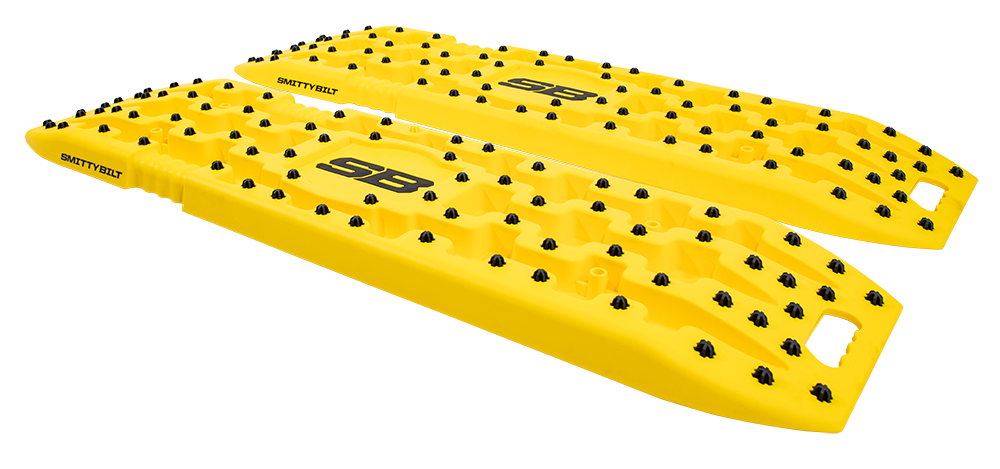
Now, let’s say you’ve done everything right — aired down, locked into 4×4, maybe even hit “G.O.A.T. Mode” or engaged “ATRAC” — and you’re still stuck. Time to pull out the big guns: Smittybilt Recovery Traction Boards.
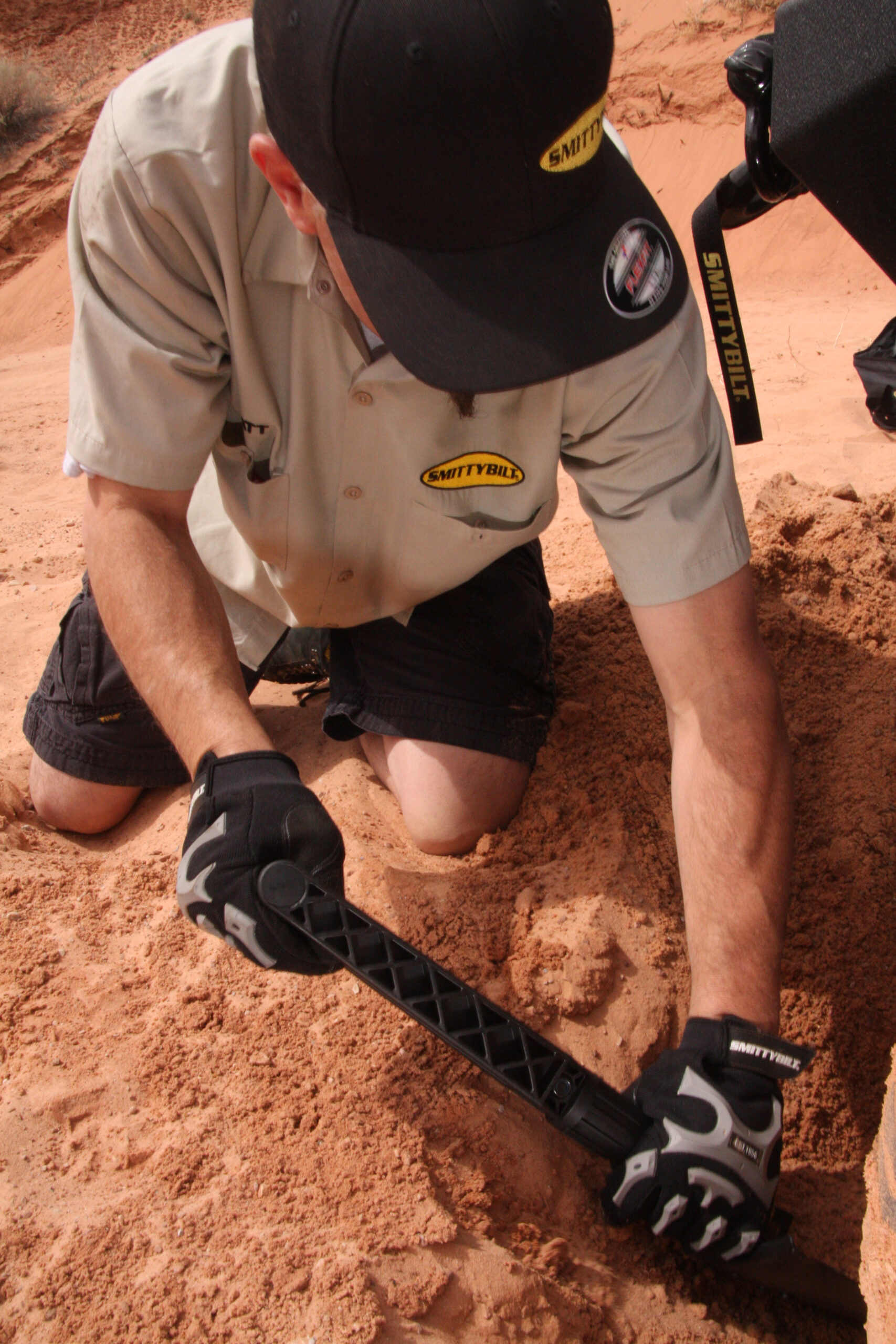
Traction boards are your go-to for self-recovery in sand, mud, or snow. Just place them under your tires to create a grippy, drive-on surface that helps you climb out of those ruts. Bonus: Smittybilt’s boards double as a shovel. But if you’d prefer a dedicated digging tool, grab the R.U.T. — Recovery Utility Tool. This compact folding shovel is perfect for everything from digging out stuck vehicles to putting out campfires… or handling, well, bathroom business in the backcountry.
The truth is, recovery isn’t just about having the gear — it’s about knowing how and when to use it. A Rapid Air Deflator or set of traction boards won’t do much good if they’re buried under your weekend camping gear or you’ve never practiced using them. Spend time getting familiar with your setup before you hit the trail. Try airing down in your driveway, or tossing your boards under the tires for a dry-run. Confidence comes from preparation, and when the pressure’s on, muscle memory can make all the difference.
Recovery gear is your insurance policy for adventure — and just like any policy, it’s better to have it and not need it than the other way around. Whether you’re tackling technical trails, crossing dunes, or just exploring off the grid, smart recovery planning means fewer headaches and more time enjoying the journey. Because at the end of the day, getting stuck is part of the fun — getting out is the real story.
This is just the start when it comes to solo recovery without a winch. Ready to learn about winches and take recovery to the next level? Check out our informative Winch Selection Guide!
Safety in Numbers
It’s always best to travel in groups — there’s truth to the saying “safety in numbers.” Having multiple vehicles not only increases safety but also provides redundancy in recovery gear and traction support. Even just one vehicle equipped with a winch can significantly improve the chances of a successful recovery.
But what if no one in your group has a winch? In that case, you’ll need to rely on other essential gear. Start with a tow strap — it’s a simple but powerful upgrade over having nothing at all. However, a tow strap works best when paired with the right support items.
A solid recovery kit should include:
- A quality tow strap (properly rated for your vehicle)
- Multiple soft shackles
- Several D-rings
- Heavy-duty gloves
Always make sure your gear is rated appropriately for your setup and intended use. The right equipment can make all the difference in tough situations.
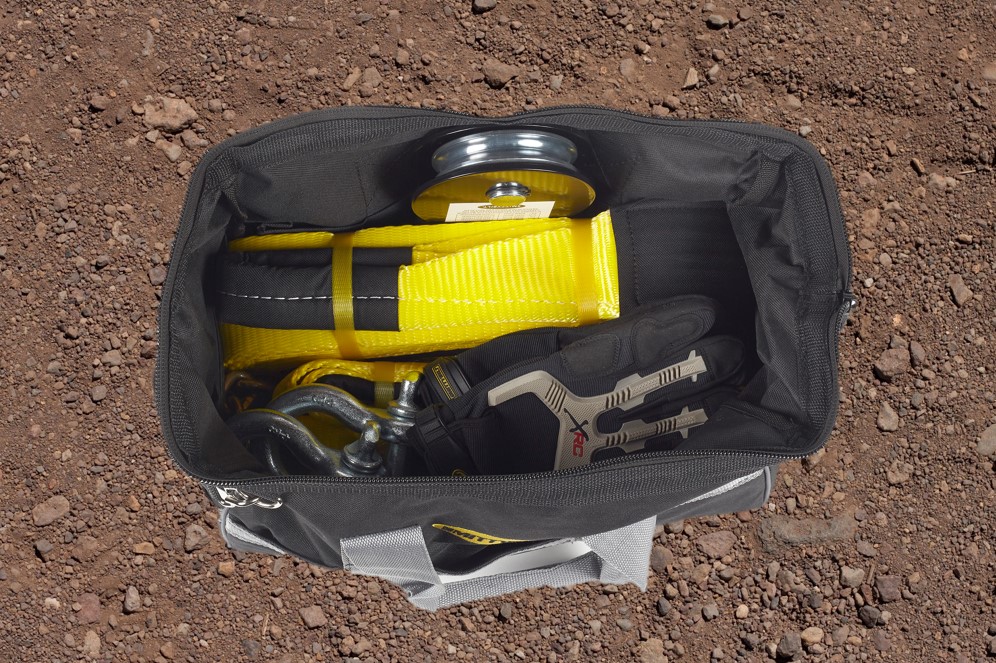
If you’re looking for a convenient all-in-one solution, consider a complete winch accessory kit. Our kits come with just everything you need — including shackles, gloves, straps, chains, and even a snatch block — all packed in a durable carrying case. It’s a great way to ensure you’re trail-ready without having to piece it together yourself.
More Than Just a Winch
Winches are essential tools across a range of professional industries — from towing operations to maritime work — and they’re just as valuable on your adventure rig or rock crawler. Adding a winch is a no-brainer for serious off-roaders. But once it’s installed, the next question is: what are you hooking it to?
That’s where support recovery gear comes in. A winch alone won’t get the job done — you need the right accessories to use it effectively and safely. A great place to start is with a complete winch accessory bag, pre-loaded with essentials you often can’t buy separately. It’s a simple way to get trail-ready fast.
Prefer to customize your own setup? Smittybilt offers a wide range of recovery gear to suit your exact needs — including:
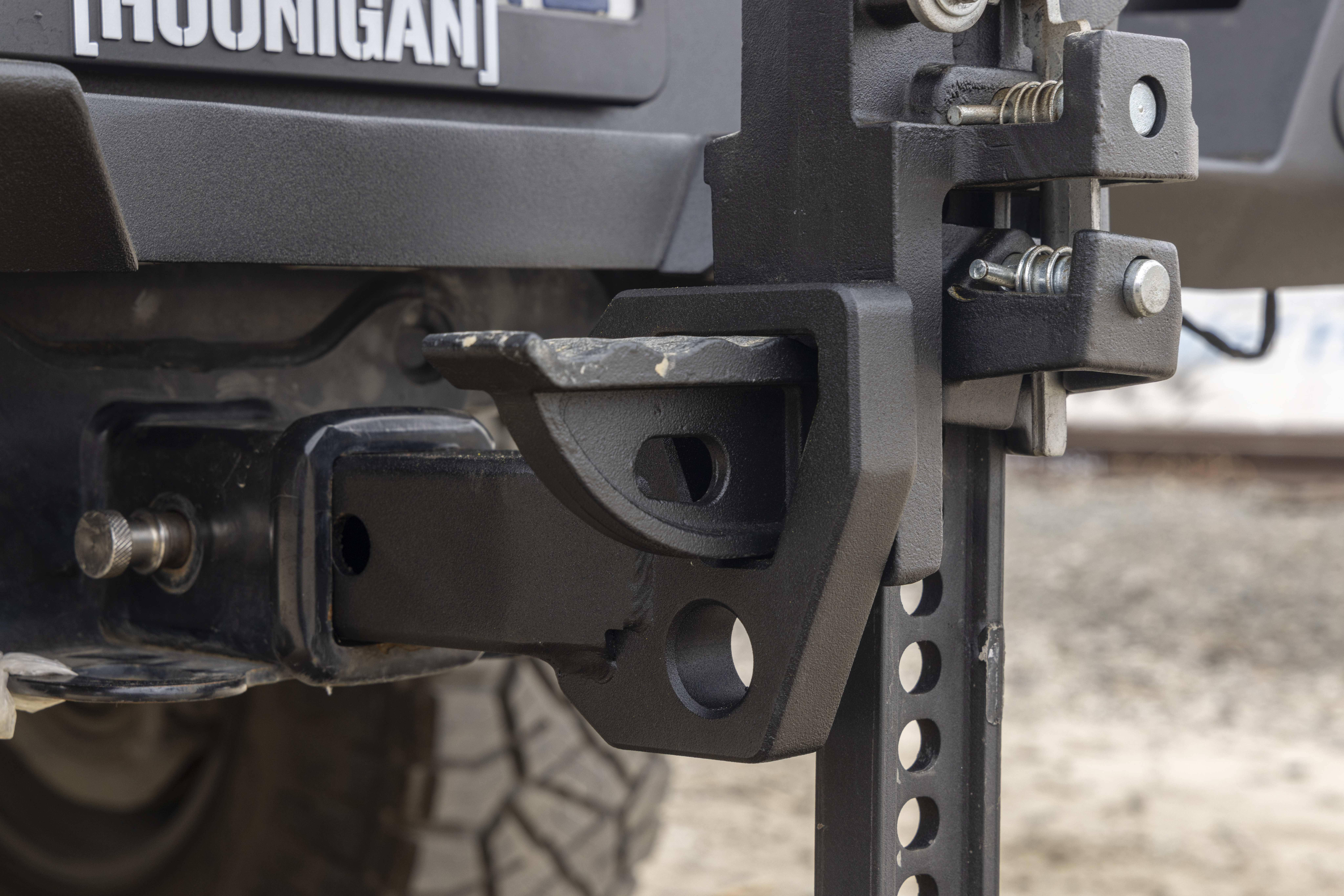
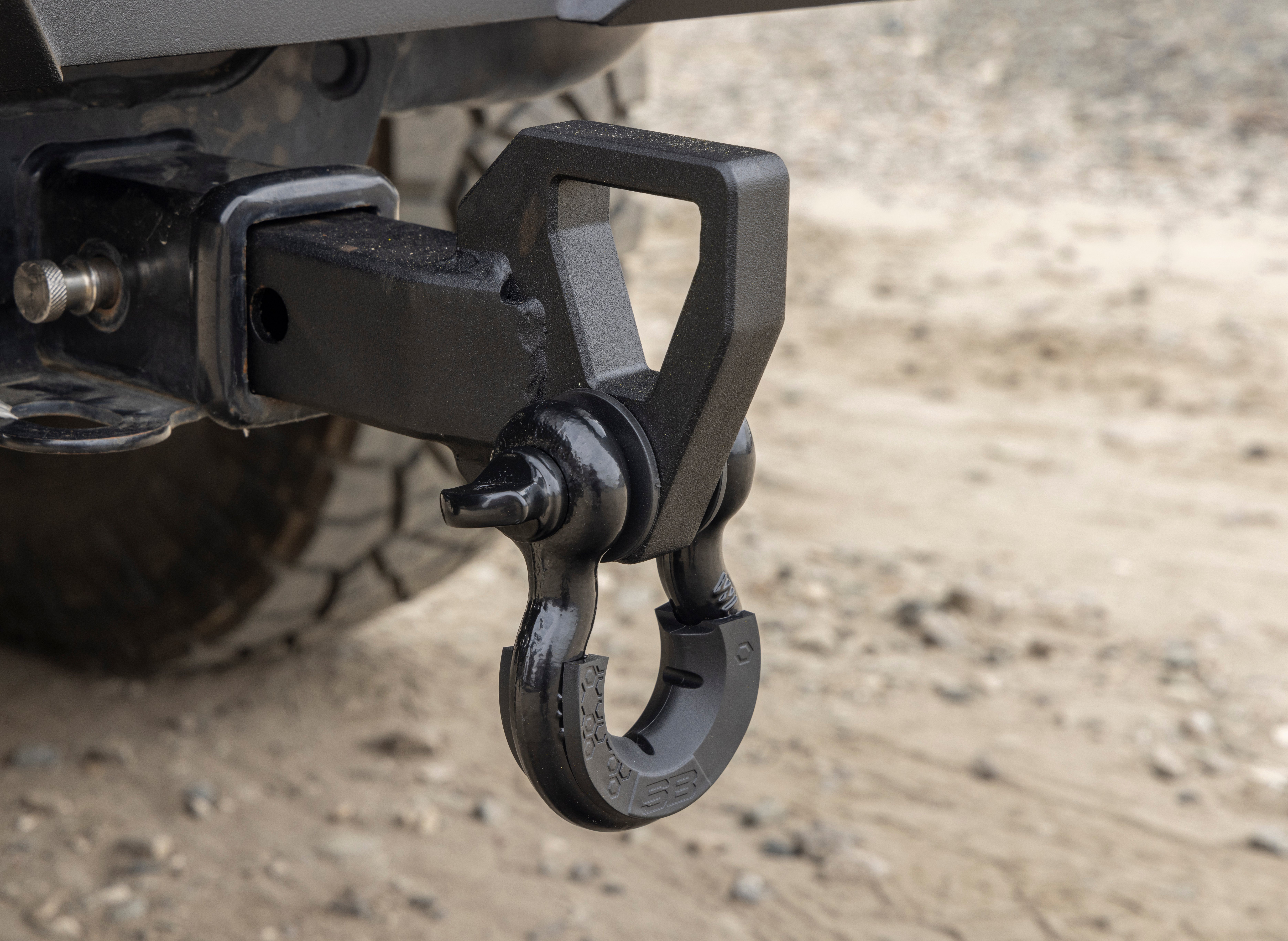
- Recovery Hitch Hub: Designed to fit any 2″ receiver, this heavy-duty steel hub has a 30,000 lb breaking strength and is made specifically for recovery use. It supports trail jacks, recovery straps, and accepts 3/4″ shackles — all in a durable black powder coat finish. (Note: Not for towing use. Hitch pin and clip sold separately.)
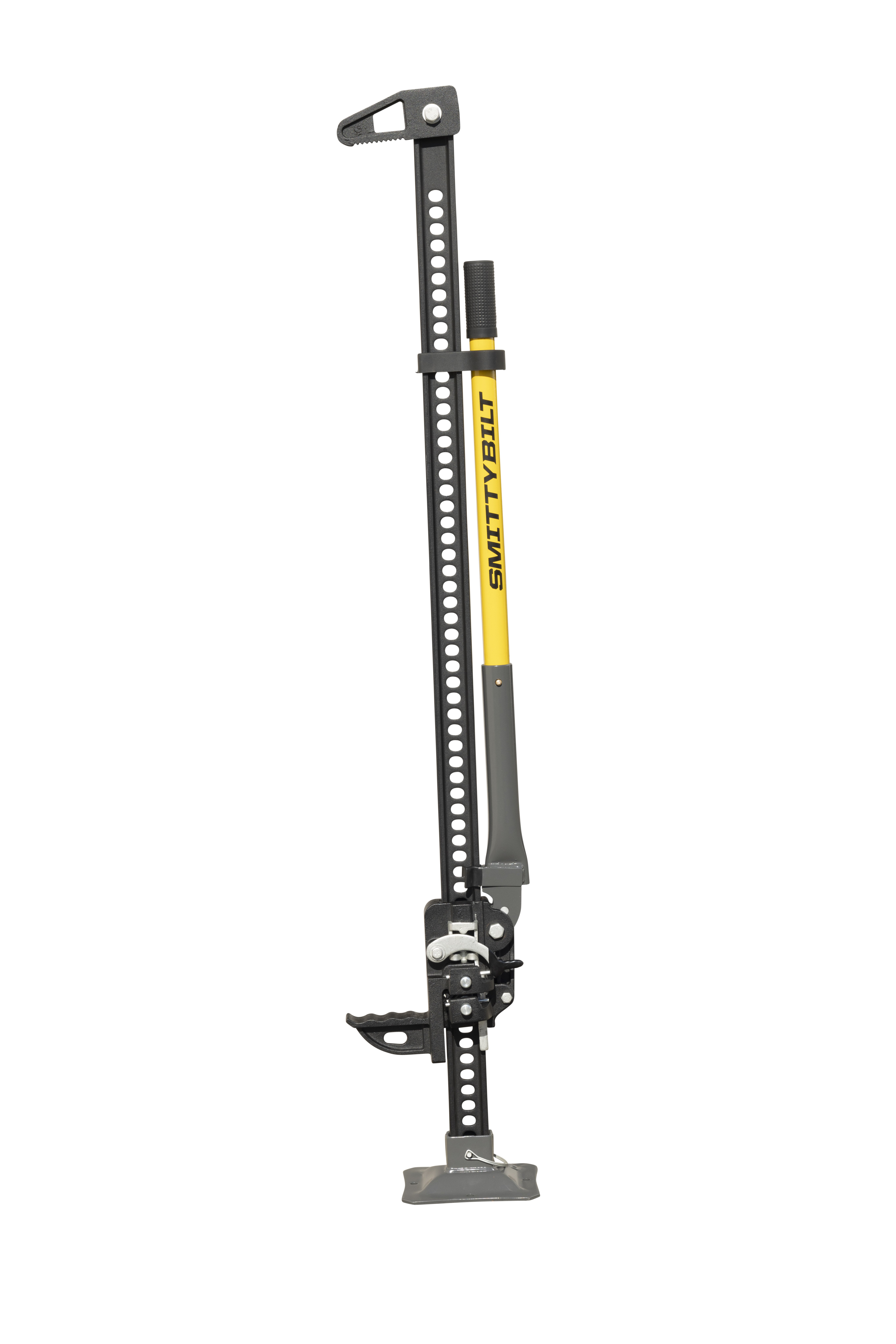
- 54″ Trail Jack: A must-have for off-road recovery, this jack has a max rated load of 4,660 lbs and features solid cast steel construction, a large base plate for stability, and a removable handle with isolator. Finished in a bold yellow and black powder coat, it’s built for both strength and visibility.
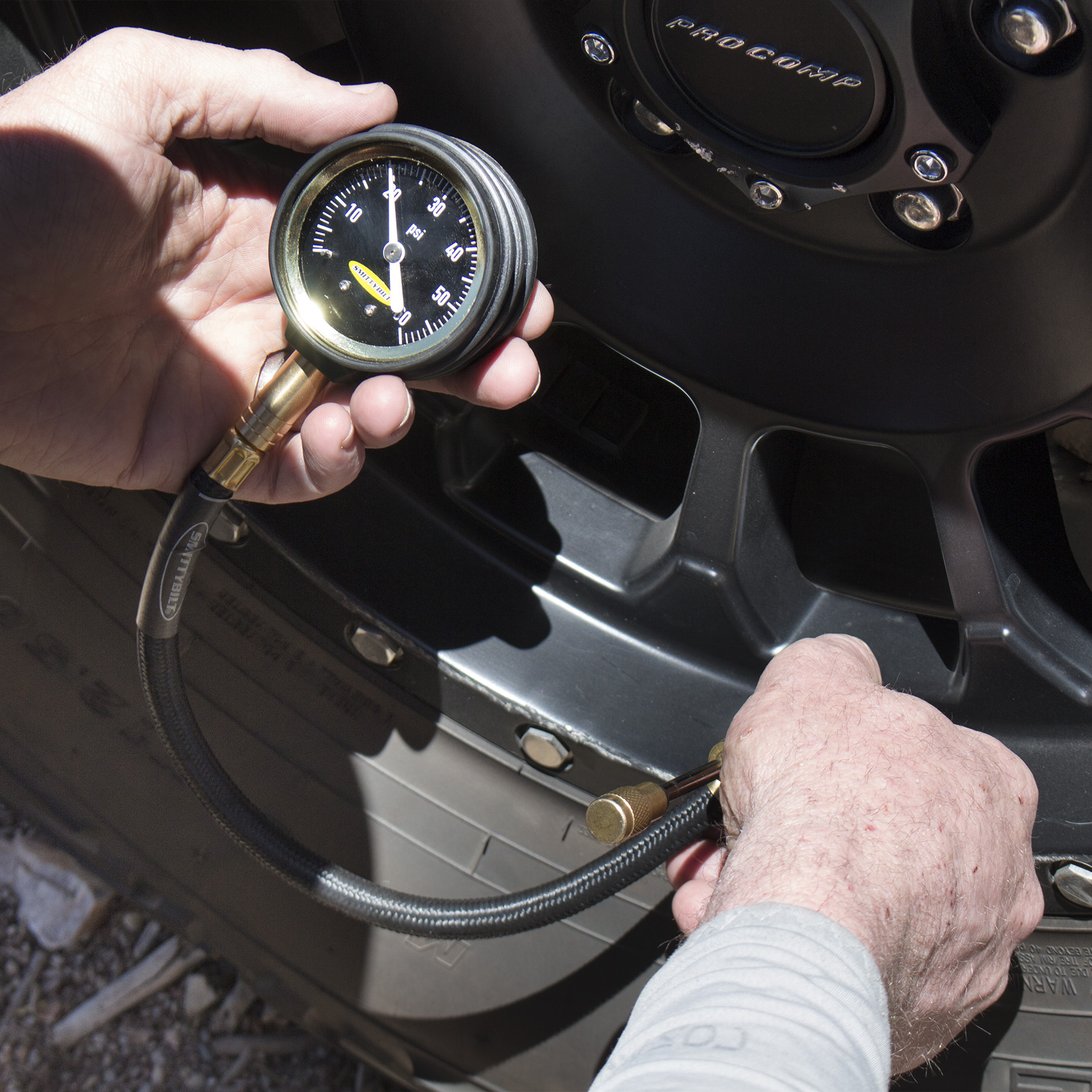
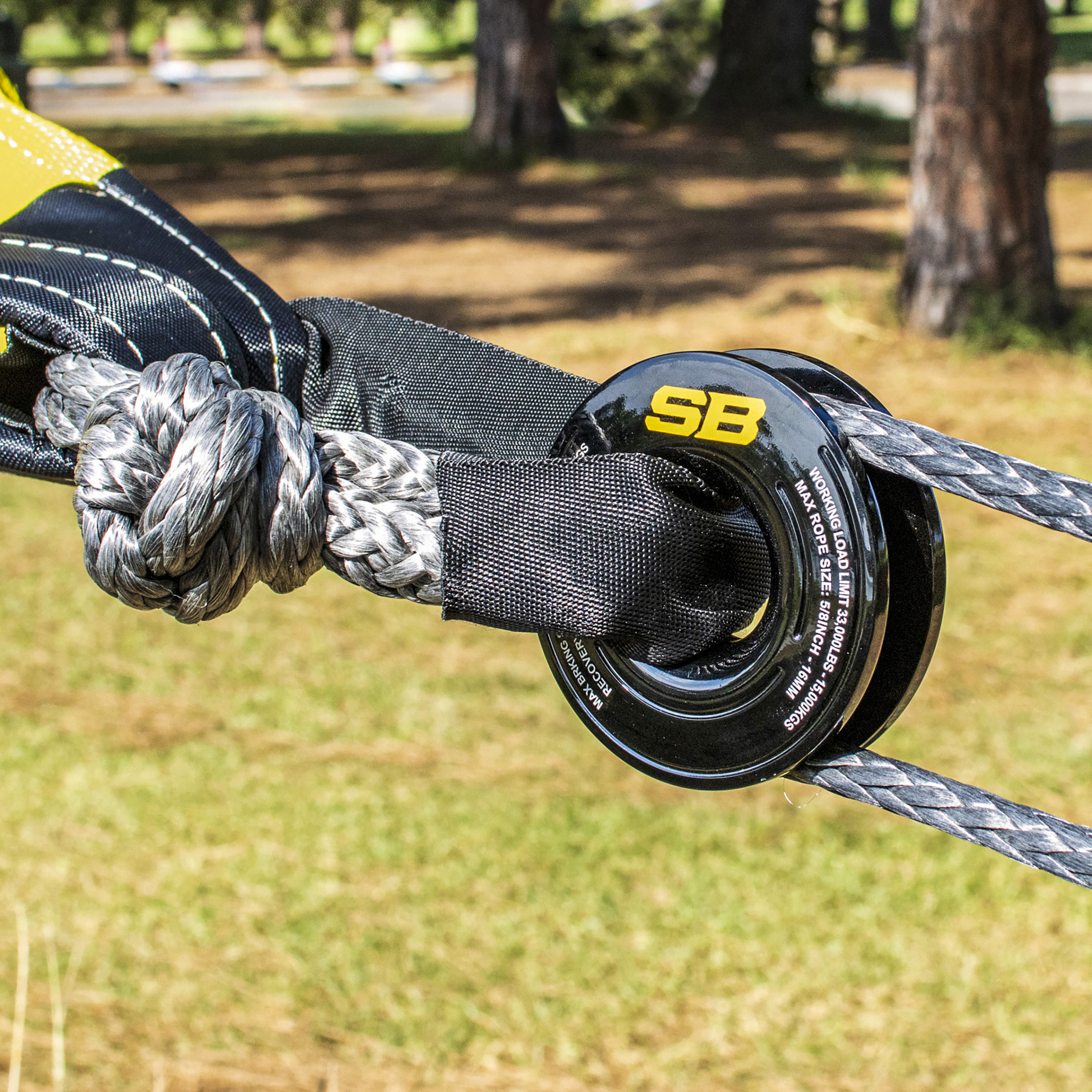
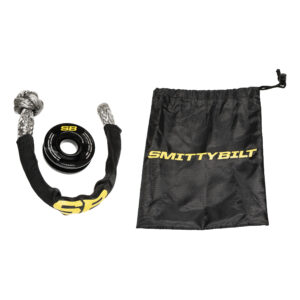
- Soft Shackle with Recovery Ring: Rated at over 33,000 lbs, this high-performance combo uses ultra-high molecular weight polyethylene (UHMWPE) synthetic fiber for the shackle and 6061 aluminum for the ring. It’s lightweight, strong, and easy to use — compatible with rope diameters up to 5/8″, and built to handle demanding recoveries with confidence.
And don’t forget your standard recovery gear — tow straps, gloves, shackles, and tree savers. Every Smittybilt component is designed to work together seamlessly, delivering safe, efficient, and reliable recovery when it matters most.
-
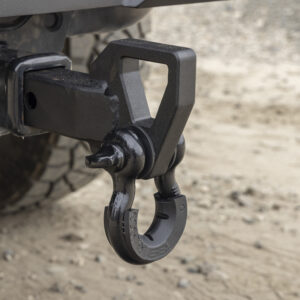
Hitch Recovery Hub – Fits 2″ Receiver – Black
$59.99 -
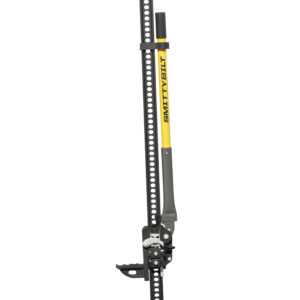
54″ Trail Jack
$174.99 -
Soft Shackle w/ Recovery Ring – 33K Rating
Original price was: $61.99.$45.99Current price is: $45.99.
Don’t Forget The Basics
It’s easy to take the safety of our urban environments for granted. But once you venture into the backcountry, it’s a different story — you and your fellow adventurers rely on each other and what you’ve packed in your rigs.
Always be prepared with the basics: plenty of water, a well-stocked first aid kit, warm clothing, a fire extinguisher, and real food (not just snacks). Don’t overlook essential tools like safety wire, zip ties, duct tape, and a solid tool kit — small items that can solve big problems when you’re off-grid.
Because when the going gets tough, you’ll need to be just a little tougher — and smarter — to make it home safe, with nothing but an epic story to tell.
Quality is in the details
While we’ve highlighted the key recovery tools and essential gear, don’t overlook the thoughtful details that set Smittybilt apart—like powder-coated finishes for durability, precision-machined recovery rings, and high-strength synthetic materials that hold up in the harshest conditions. Every component is designed to work together seamlessly, and it’s all backed by the Smittybilt Advantage Warranty, giving you added peace of mind when you’re miles from pavement. Whether you’re building a full recovery setup or just adding a few smart upgrades, the right gear ensures you get back safe—with a great story to tell.
Smittybilt’s modular approach means you can start small and expand as your adventures grow. Each piece of gear is tested to perform in real-world conditions, from deep mud to rocky climbs. Because when things go sideways out on the trail, dependable equipment isn’t just convenient—it’s critical.

Featured Recovery Gear
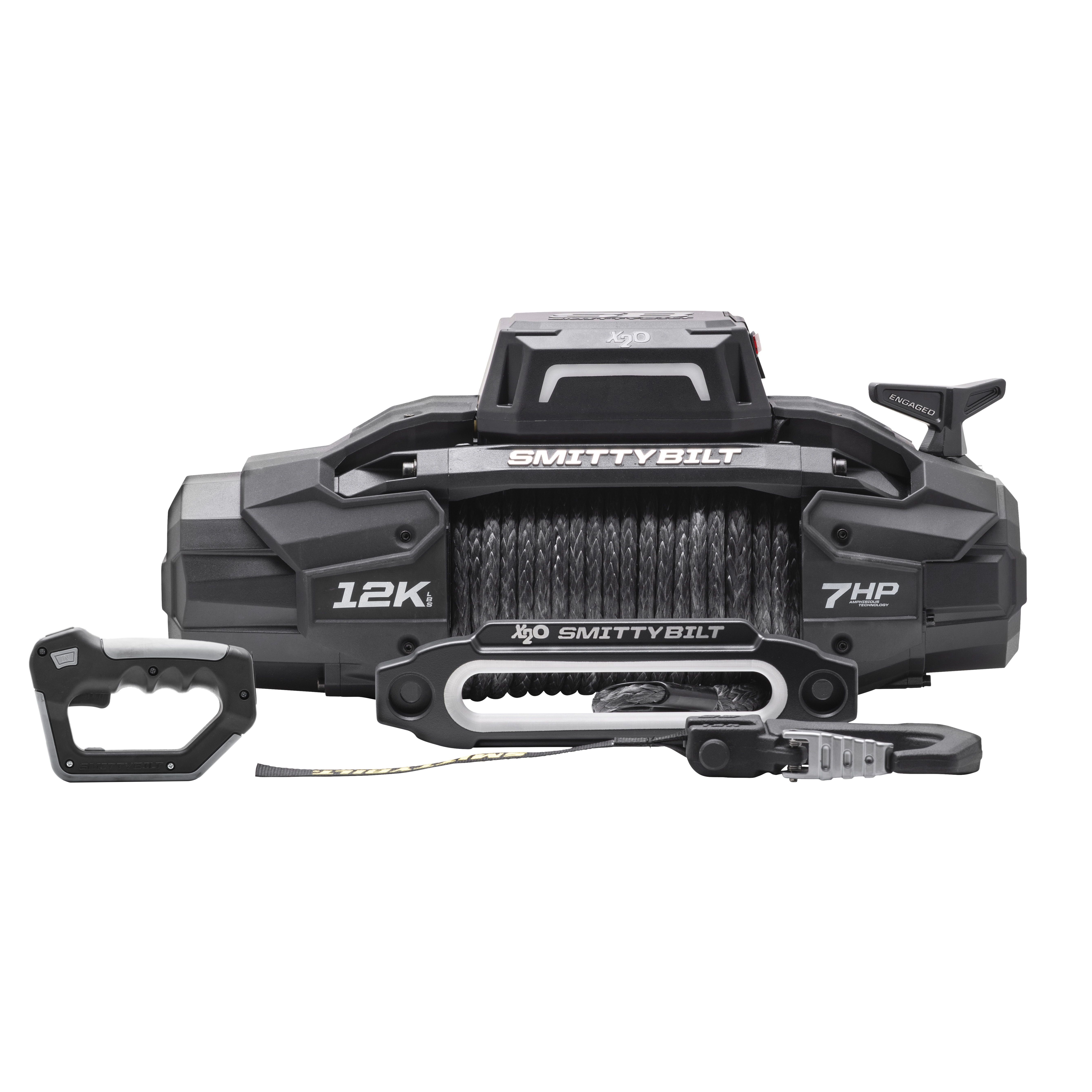
See our full line up
Now that you know what you are looking for, head over to our full line up of winches, recovery gear, and much more!